Akla food delivery app
Your own personalized food delivery app
Type
Concept-Project
ROLE
UX/UI Designer Wireframing, prototyping
EXPERTISE
UX/UI Design
YEAR
2024
Akla is a food delivery app opening in Egypt, their moto is deliver your own personalized experience.
Timeline
From research to Prototyping designs in 12 weeks while working with multiple projects at the same time
Background
AKLA is a food delivery app that makes ordering fast, simple, and personalized. It connects users with their favorite restaurants through an intuitive and clutter-free interface. With smart recommendations and a seamless checkout process, AKLA enhances the entire ordering experience. Whether you're craving a quick bite or a full meal, AKLA delivers—effortlessly.
Challenges and Goals
Provide a seamless and efficient food ordering experience from start to finish.
Enhance user engagement with intuitive design, community features, and tailored recommendations.
Ensure flexibility in payment options and user control over app settings, like notifications.
Achieve a 4.5-star rating or higher on app stores for the application within six months of release.
01 | Problem
What's the problem?!
Users of food delivery apps face challenges such as limited personalization options, inadequate dietary and allergy information, poor communication with delivery drivers, and difficulty finding reliable recommendations. These issues create inefficiencies, reduce trust, and hinder the overall user experience, especially for those with specific preferences or busy lifestyles. A solution is needed to address these pain points by offering tailored features, better transparency, and a seamless ordering experience.
02 | Solution
What was my solution?!
I conducted qualitative and quantitative research to understand user pain points and behaviors. Based on the findings, I prioritized features that streamline ordering and enhance personalization. Using structured components and Auto Layout, I built a scalable and intuitive interface. The result? A seamless, efficient, and user-centric food ordering experience.
03 | Process
Competitor Analysis
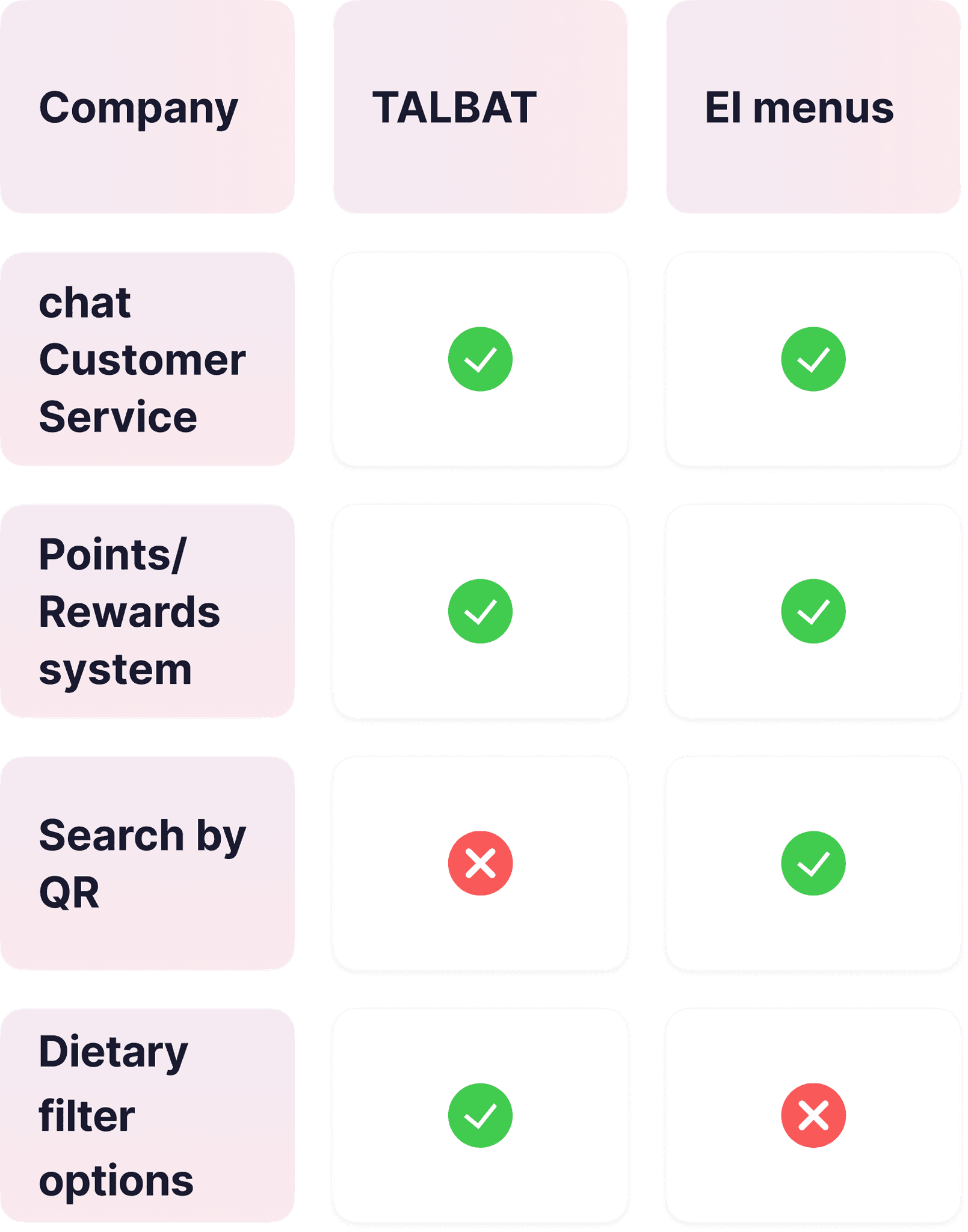
The user-centered design process utilized in the development of our food delivery app resulted in a number of positive outcomes. By conducting user research, empathy mapping, and competitive analysis, we were able to identify and address key pain points and improve the overall user experience. Our app features a number of unique functionalities, such as the ability to search based on the user's dietary preference. This sets our app apart from competitors and provides added value to users. Overall, our approach has led to the development of a successful product that meets the needs of its target audience.
Time to Define Our App
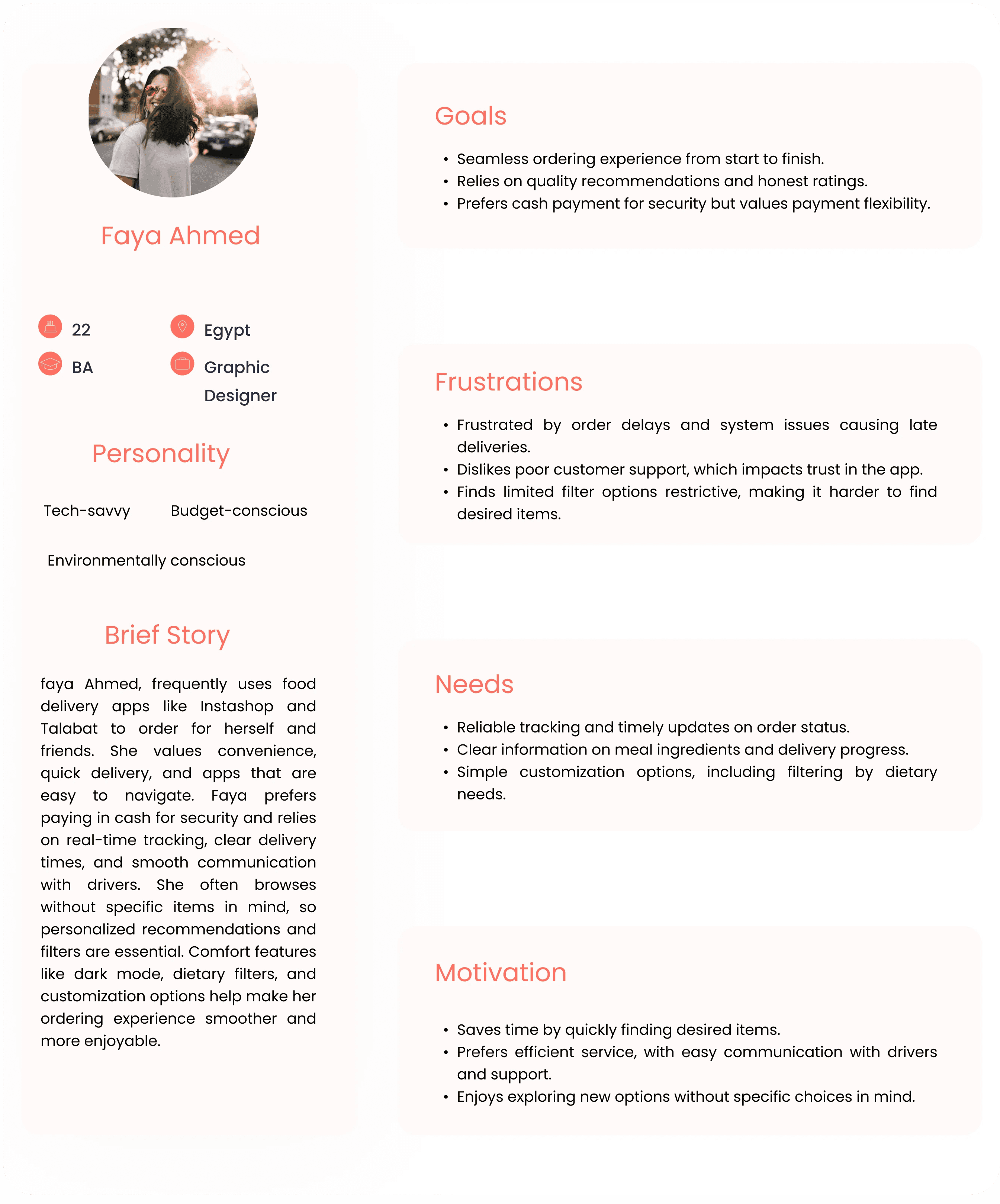
Persona
First, I wanted to understand the user and their needs by crafting detailed persona
Main Features
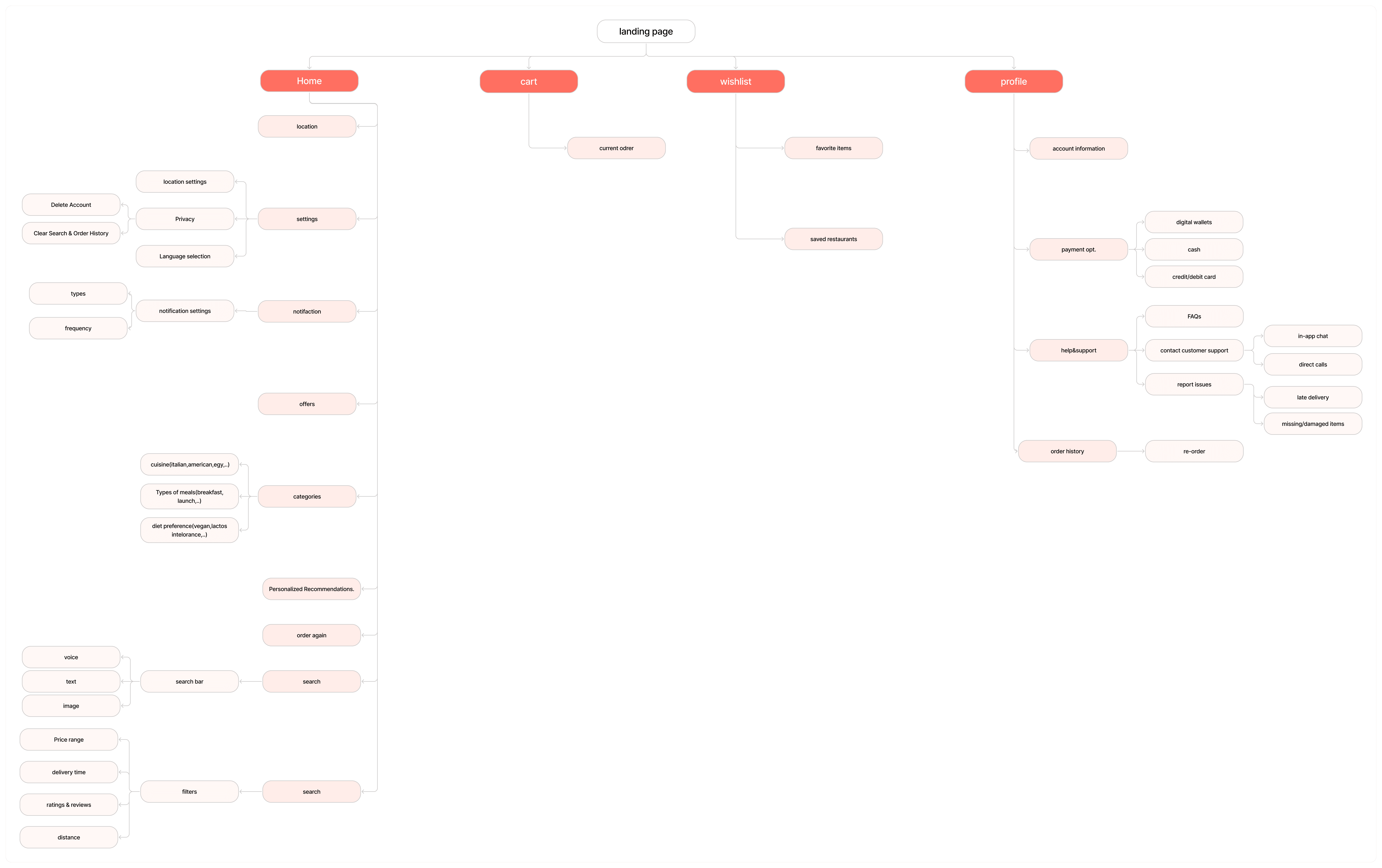
I ran a card sorting test in UXtweak to prioritize the most essential features. Based on the results, I defined the core features that streamline ordering and enhance personalization. These insights helped shape a structured, intuitive, and user-friendly experience.
Quality Assurance Tags
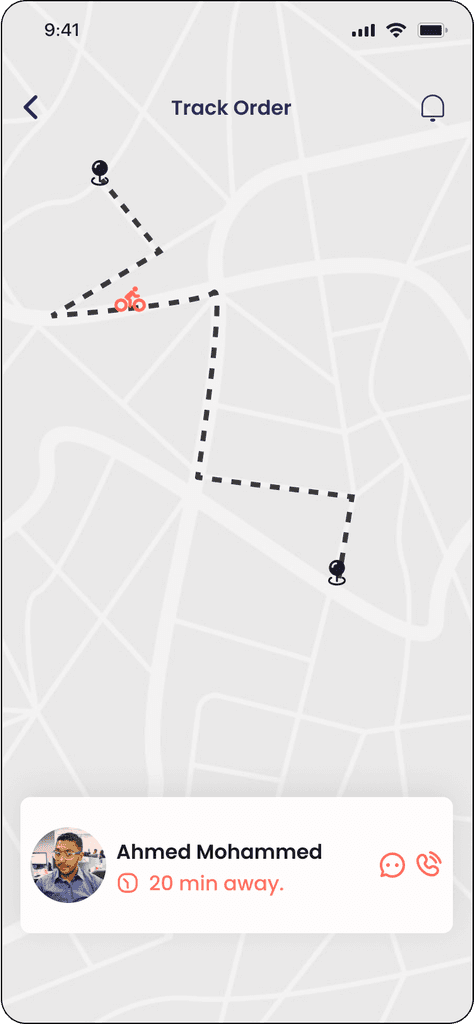
In-App Chat with Delivery Driver
Real-Time Order Tracking
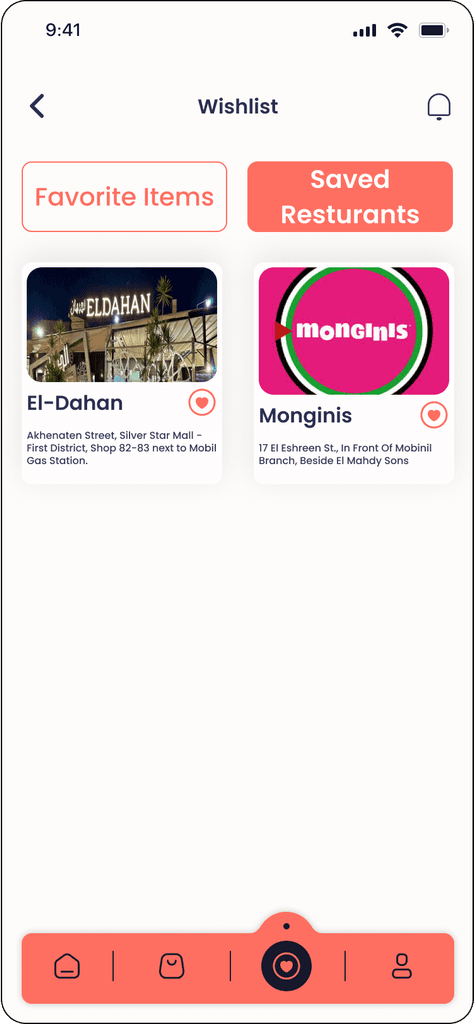
Favorites and Wishlist Feature Detailed Dietary and Allergy Information
Style Guide
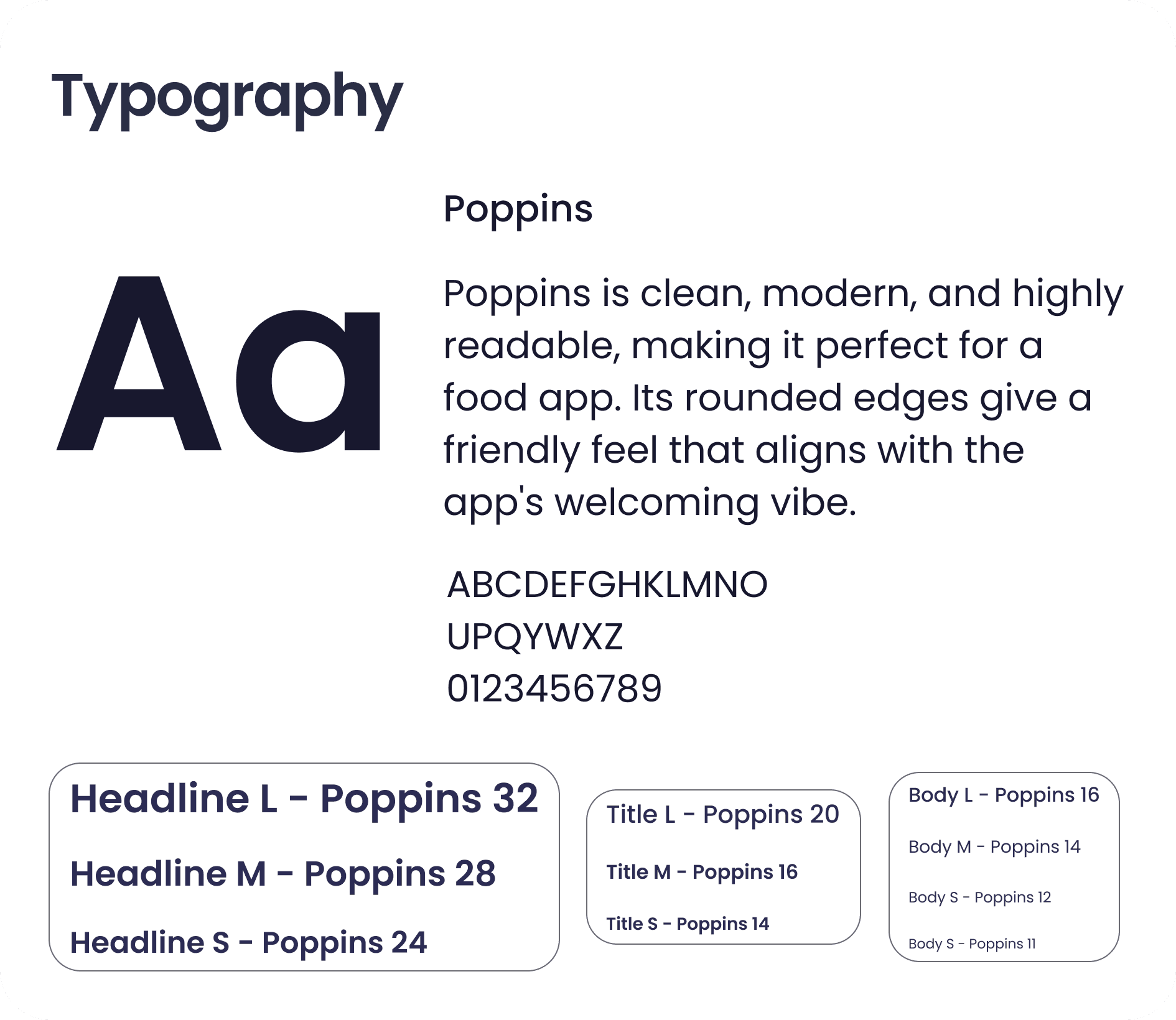
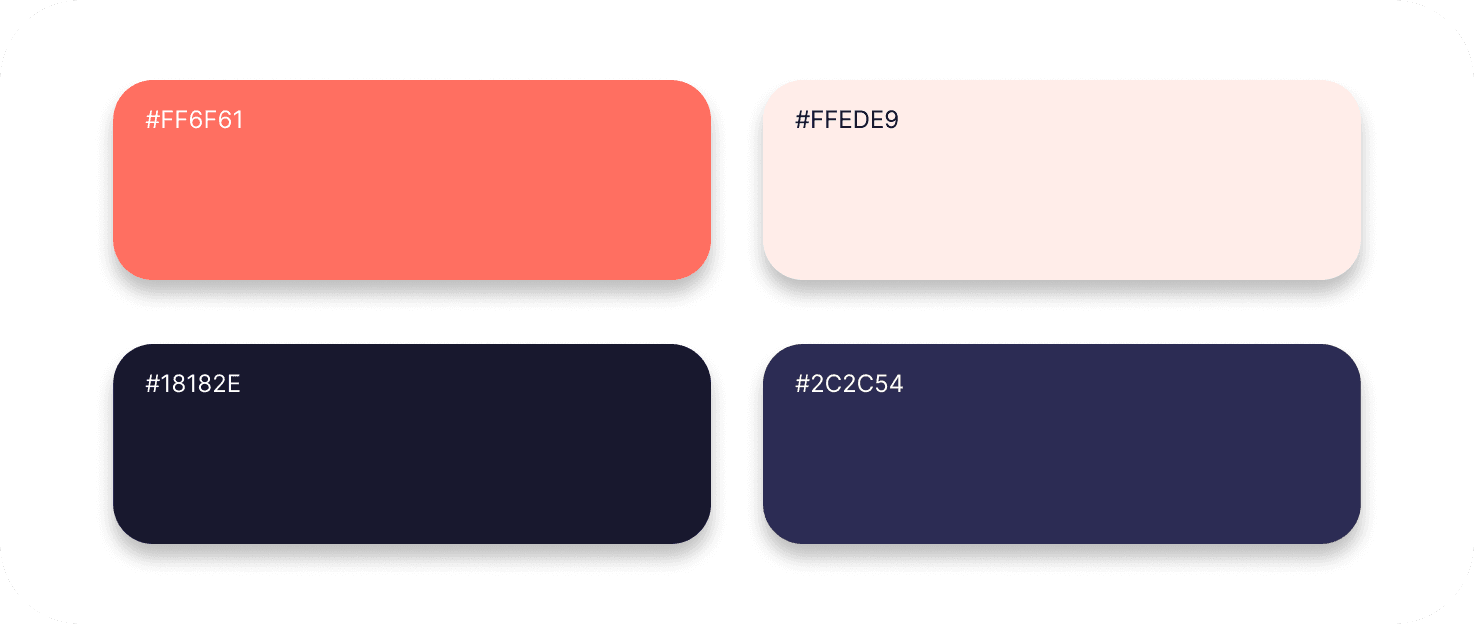
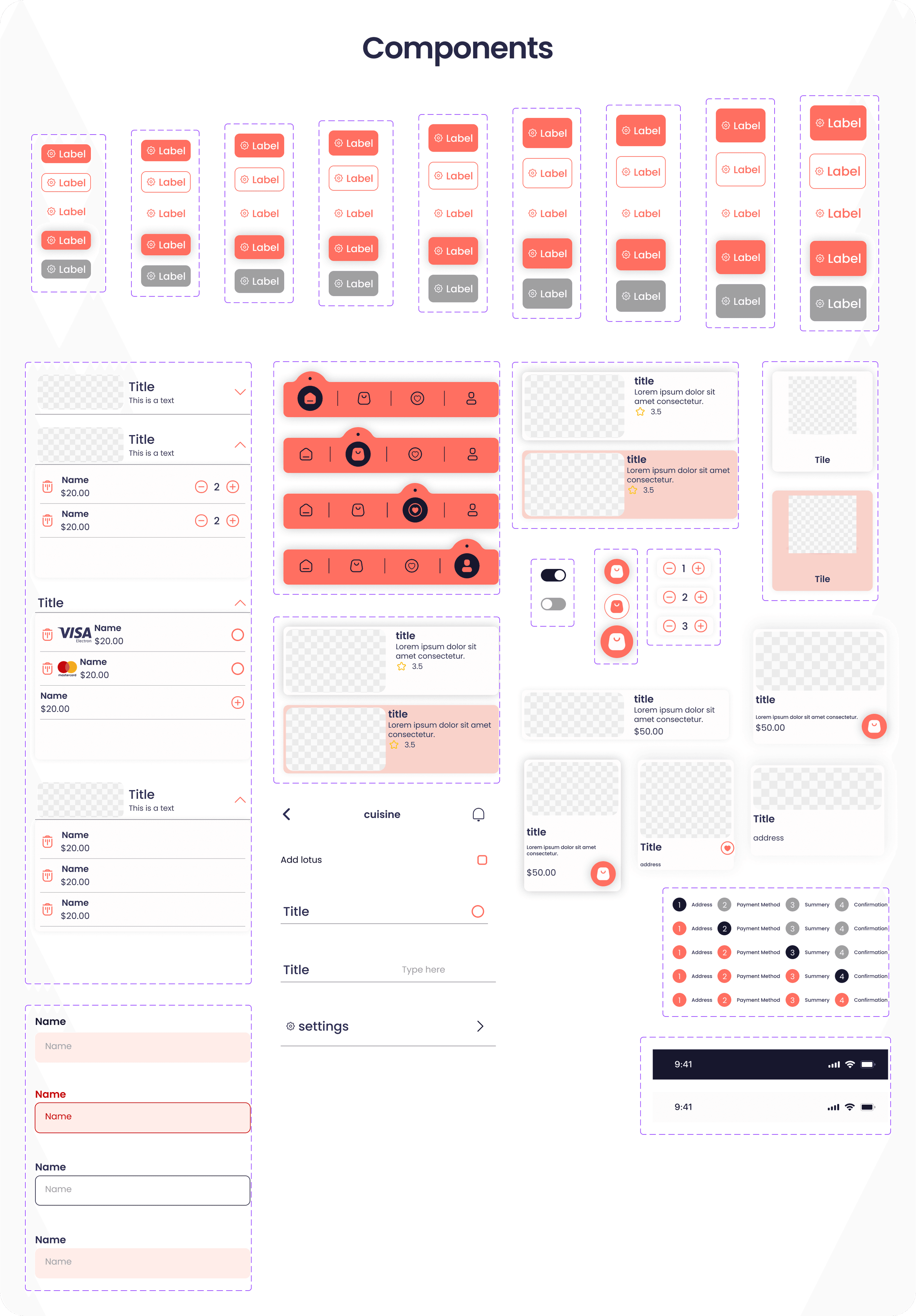
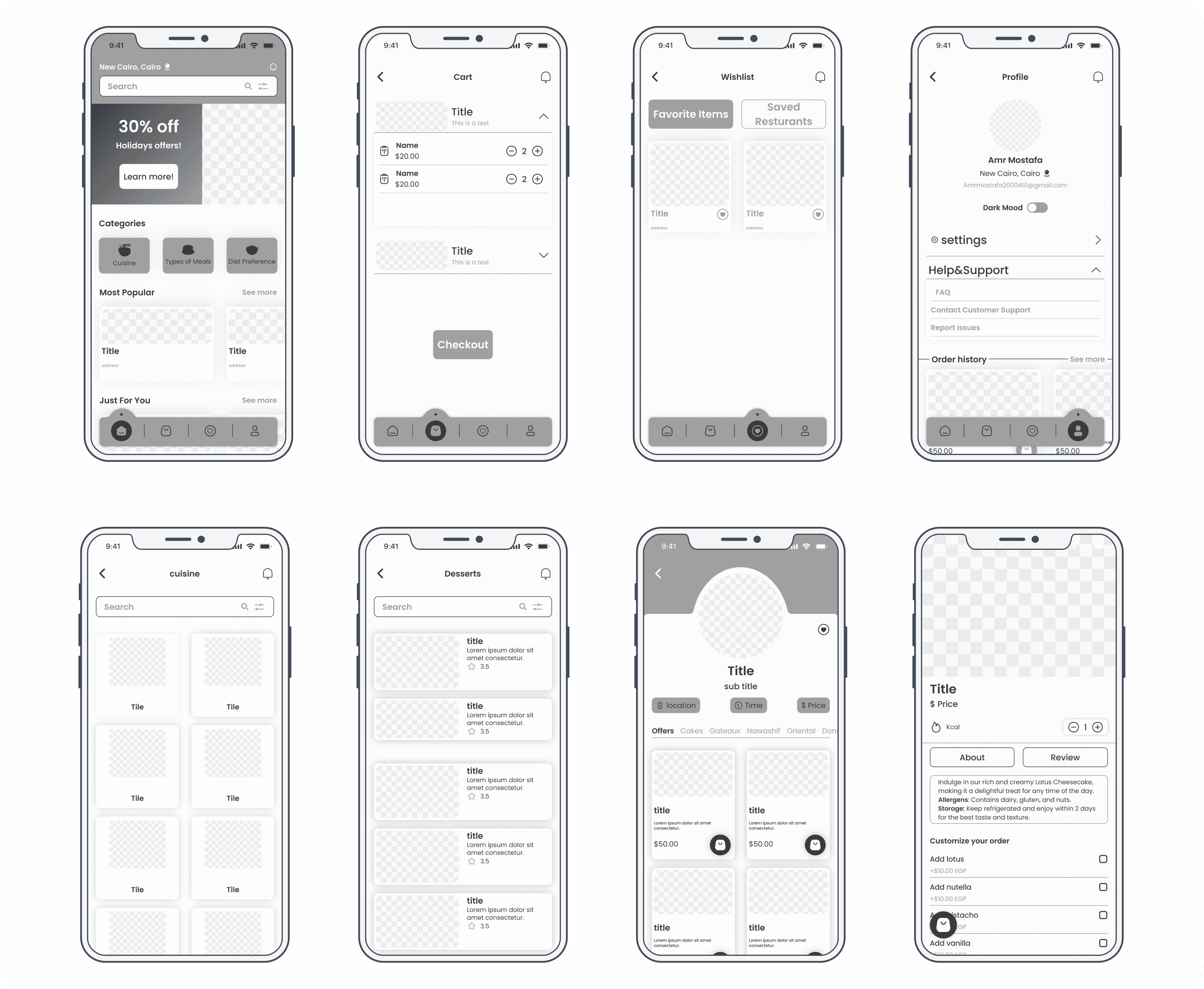
After confirming the wireframes with my instructor, I moved on to the visual design, focusing on creating a clean and intuitive interface.
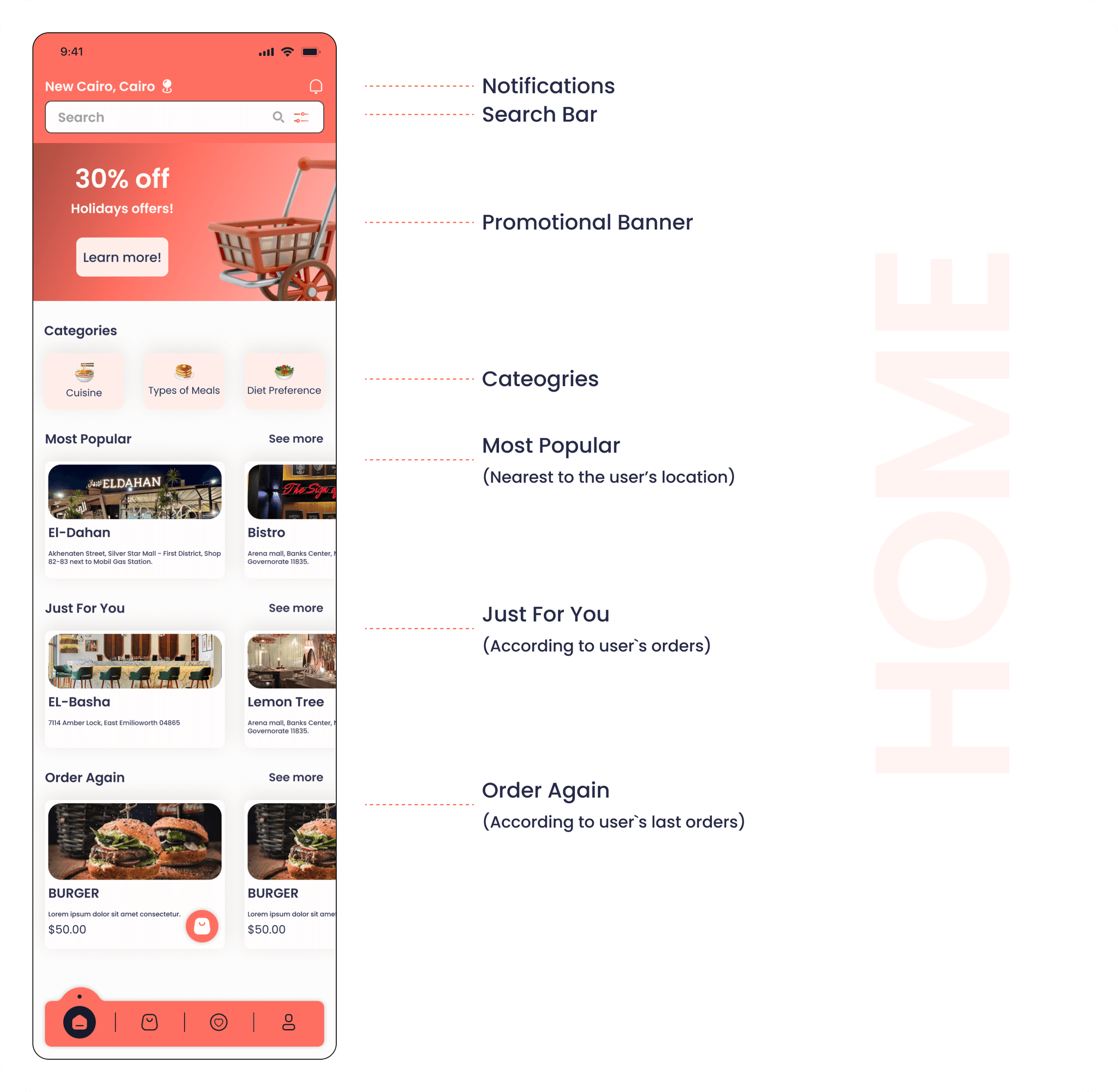
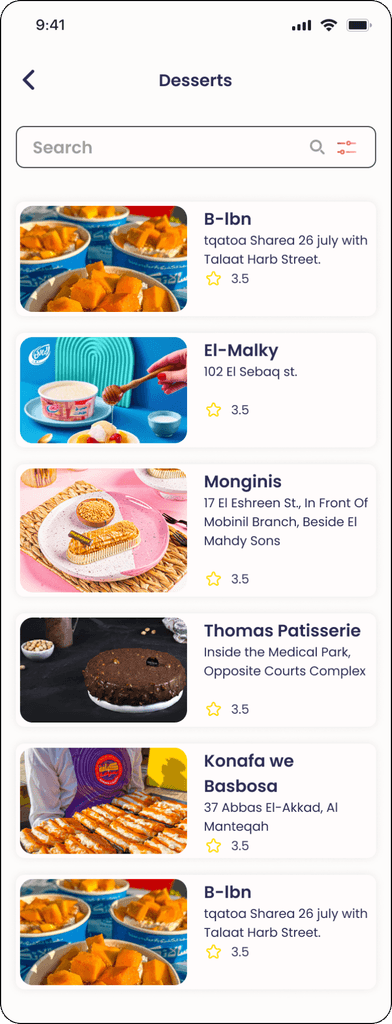
I designed the home screen based on research insights and user testing, focusing on:
Content organization for easy navigation.
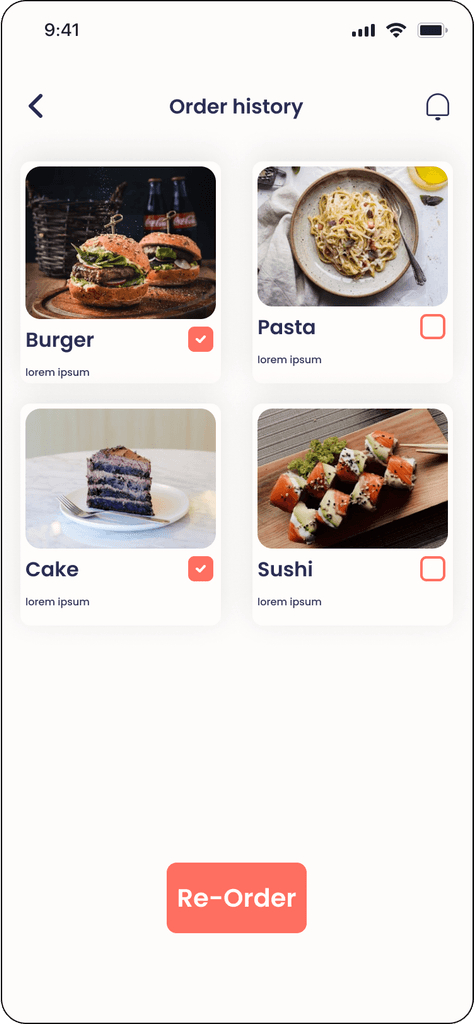
Personalization with "Just For You" and "Order Again" based on user orders.
Auto Layout & Components for consistency and scalability.
Enhanced UX by highlighting key elements like search and promotions.
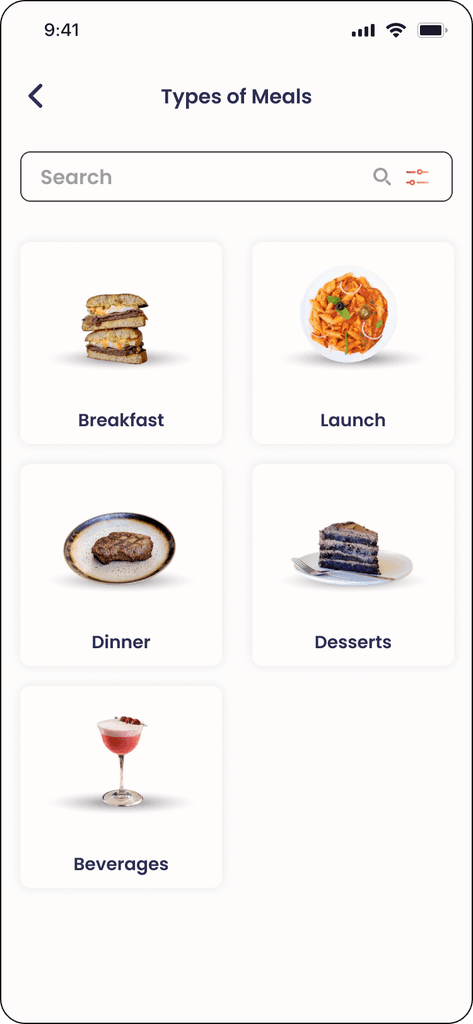
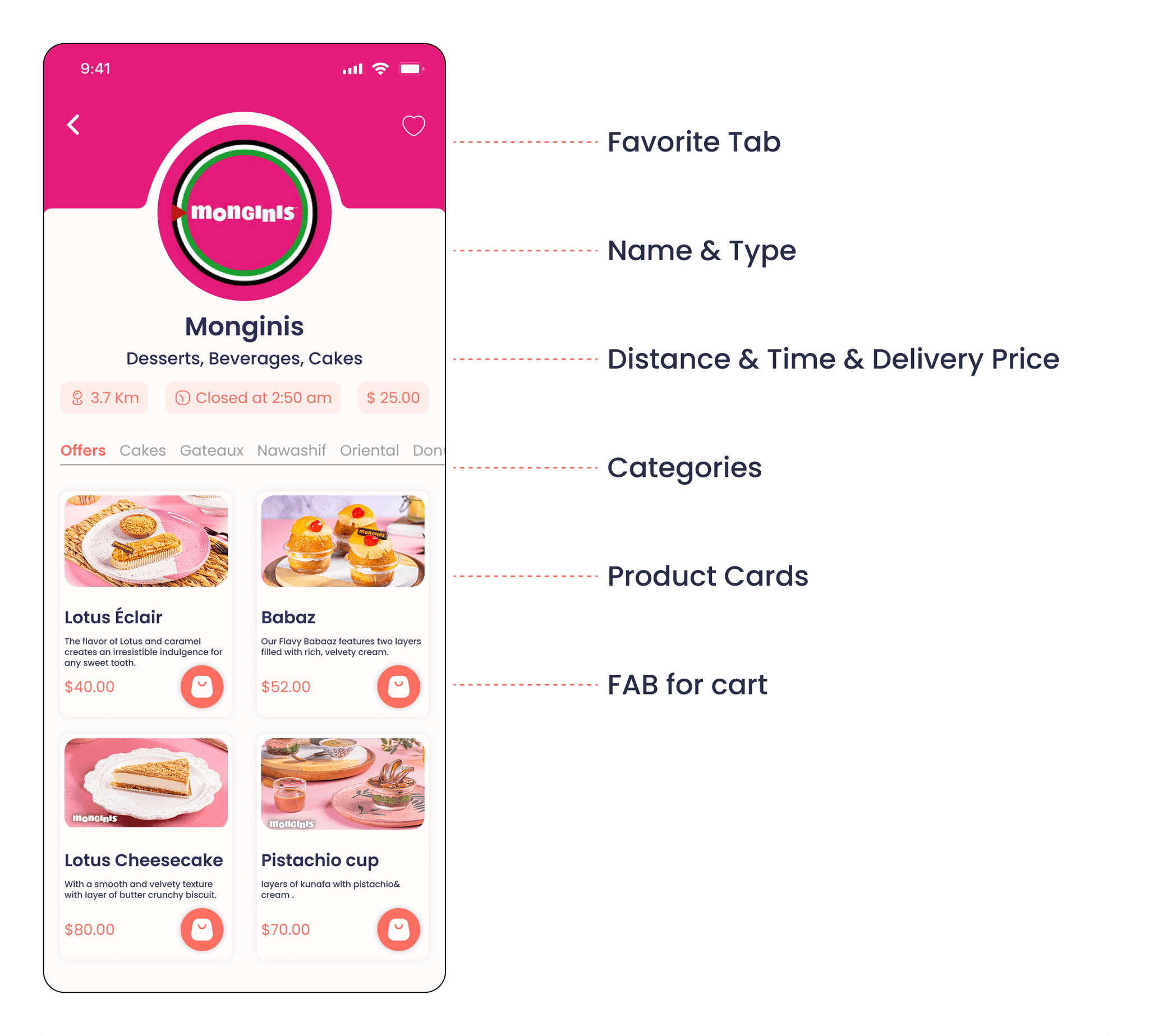
I designed the Restaurant Page to provide a seamless browsing experience.
I included a Favorite Tab so users can save their preferred restaurants.
The Name & Type section clearly presents the restaurant’s identity.
I added Distance, Time & Delivery Price to help users make quick decisions.
Categories were structured for smooth menu navigation.
Product Cards highlight food items with engaging visuals and key details.
A Floating Action Button (FAB) for the cart ensures easy checkout access.
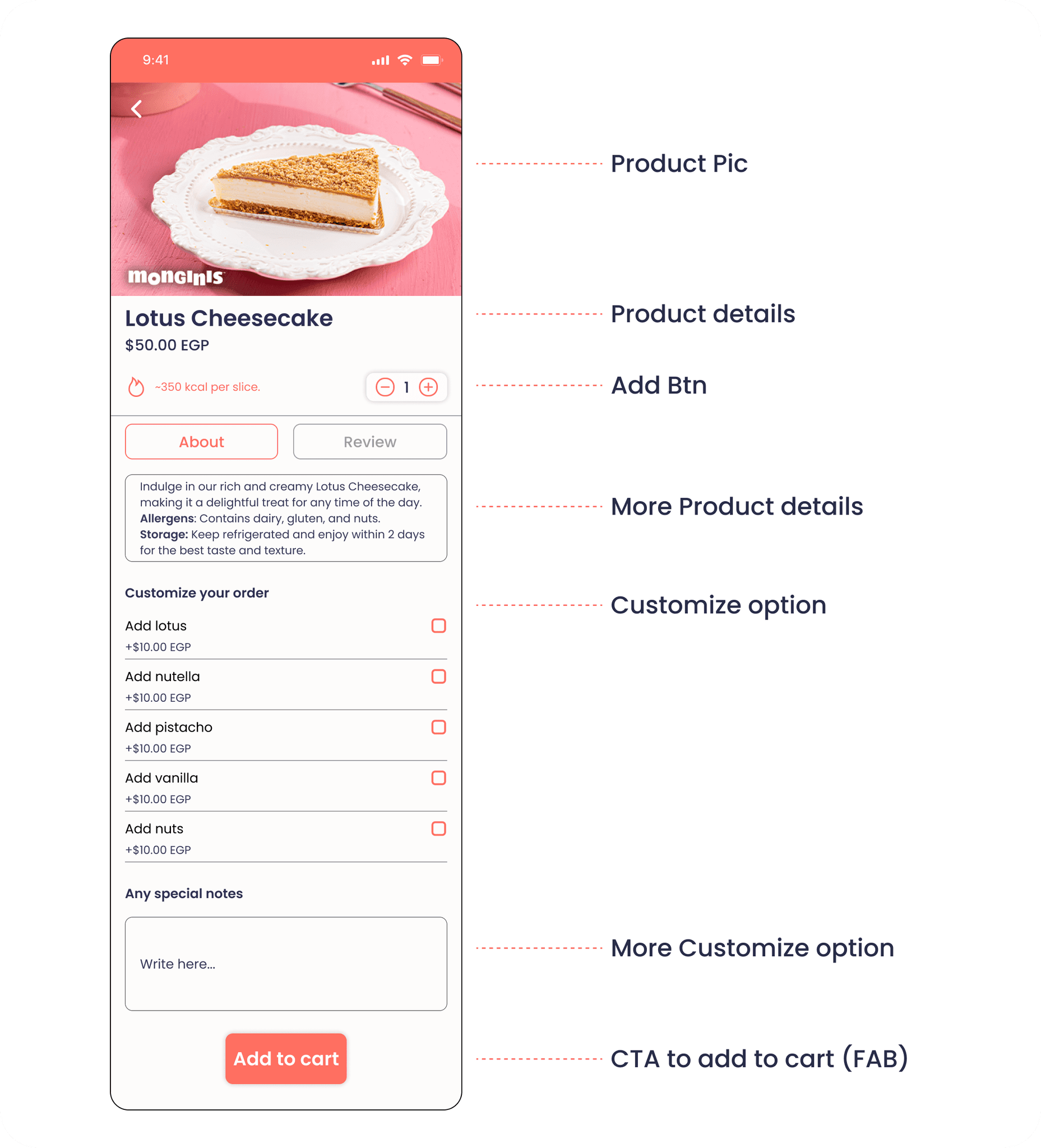
I designed the Product Page to enhance the ordering experience while ensuring dietary and allergy information is clear.
The Product Picture showcases the dish visually.
Product Details include the name, price, and calorie count.
I added an Increment/Decrement Button for quantity selection.
More Product Details provide essential information like ingredients, dietary preferences, and allergy warnings.
Customization Options allow users to personalize their order.
A Special Notes section lets users add specific requests.
The CTA Button (FAB) to Add to Cart ensures a smooth checkout process.
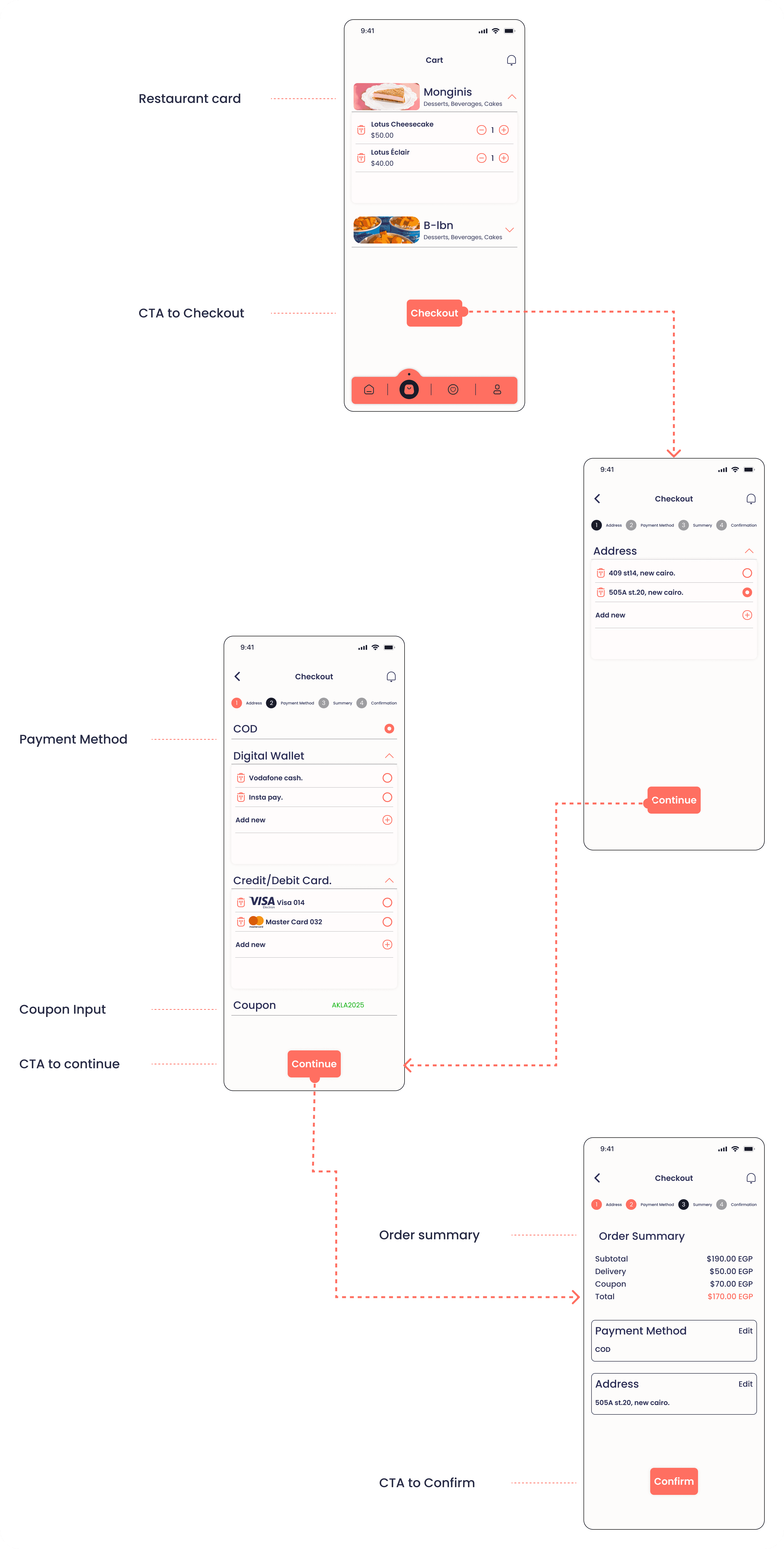
I designed the cart process flow, ensuring a seamless and intuitive checkout experience:
Restaurant Card: Displays the selected restaurant and its items.
CTA to Checkout: Allows users to proceed to payment easily.
Payment Method: Supports COD, digital wallets, and credit/debit cards.
Coupon Input: Enables users to apply discount codes.
Address Input: Lets users select or add a new delivery address.
Order Summary: Provides a clear breakdown of costs, including discounts and delivery fees.
CTA to Confirm: The final step to complete the order.
In this case study, I have explored the design process for an Food delivery app that aims to provide a seamless and convenient experience for users. Through user research, competitive analysis, and user flows, I was able to identify key challenges and pain points that users face in the current market.
To address these challenges, I focused on creating a user-centered design that prioritizes ease of use, accessibility, and functionality. This involved designing an intuitive user interface with clear navigation, incorporating features like Customizable orders and a verity of payment method.
To ensure that the app meets the needs and expectations of the target audience, I conducted extensive user research, including creating user personas and empathy maps. This allowed me to gain insights into the motivations, frustrations, and goals of potential users, which helped guide the design process.
Additionally, I conducted a competitive analysis of three similar apps in the market (TALBAT, ELMENUES), which helped me identify areas for improvement and ensure that the app offers a unique value proposition.Finally, I developed user flows and an information architecture that provides a clear and intuitive path for users to complete their tasks within the app.
In conclusion, I have developed a mobile app for Food delivery that addresses their concerns. My design choices were based on extensive user research, empathy mapping, and competitive analysis. This case study showcases how a user-centric design approach can result in a successful product that caters to the target audience's requirements.
You can check the Behance showcase
Next Project:
UX/UI DESIGN
Ulearn E-learning App
Concept-Project